Horse Crippler Cactus
Echinocactus texensis
— Cactaceae (Cactus Family)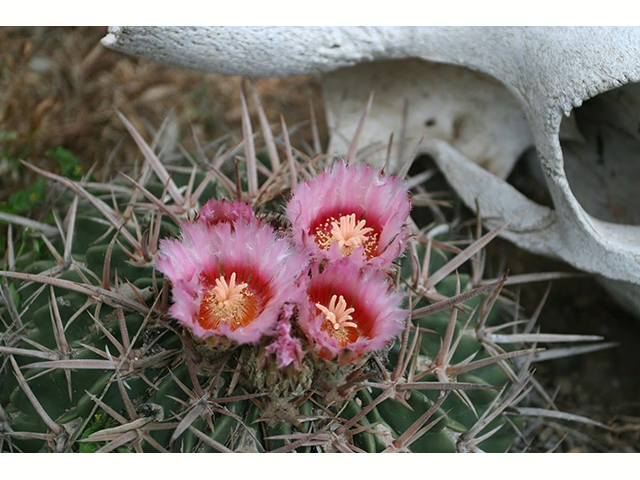
Horse Crippler Cactus
Echinocactus texensis

Plant Ecoregion Distribution Map
Hover over ecoregions to inspect EPA distribution for Horse Crippler Cactus.
Edwards Plateau, Chihuahuan Deserts, Cross Timbers, Central & South Texas Plains
Authoritative Data Sources
Botanical specifications, native range classifications, and ecological benefits verified against official Texas botanical repositories.
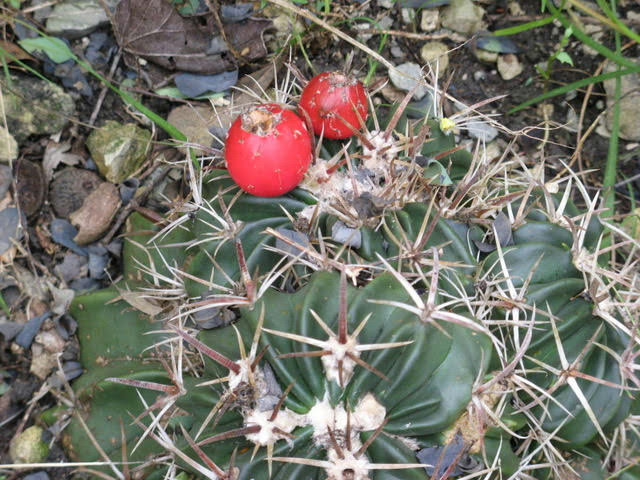
Echinocactus texensis (Horse Crippler Cactus or Devil's Head) is an iconic, low-growing Texas cactus known for its flattened, rib-patterned stem hugging the ground and rigid, heavy spines. In spring, it produces exquisite inverted bell-shaped flowers with fringed pink and red petals, followed by fleshy, bright red berries prized by native birds and wildlife.
Growing Conditions
Bloom & Wildlife Benefit
Diurnal flowers produce abundant pollen and nectar for native desert bees; bright red fruits provide crucial food for desert wildlife.
Spines are sharp and dangerous to livestock and pets; flesh and fruit are non-toxic.
Maintenance & Propagation
Zero maintenance required. Ensure sharp drainage and full sunlight to prevent root rot. Do not overwater.